Search

Google

Thursday, 13 March 2008

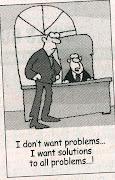
Mind Speaks - Cartoon Corner


Education makes you live longer

Education makes you live longer
13 Mar 2008, 0039 hrs IST,AFP

WASHINGTON: If you have been contemplating going back to school to get a degree, this might convince you: a study by the Harvard School of Medicine has shown people with a better education live longer.

“Between the 1980s and 2000, life expectancy increases occurred nearly exclusively among high-education groups,” the study said.

While life expectancy for people with a high school degree or less did not change between 1990 and 2000, the better-educated gained more than 1.5 years over the same period, the study showed. “A 25-year-old with a high school degree in 1990 could expect to live another 50 years, or for about 75 years,” lead author Ellen Meara said.

“Looking at a similarly educated 25-year-old in 2000, you have the same expected life span,” said Meara, assistant professor of healthcare policy at Harvard Medical School.

“For the better educated, you have an expected life span of 80 years in 1990, but it’s 81.6 by the year 2000. So it’s quite a big gain.” The reasons for such longevity appear to be that more educated people have better access to both information about disease and medical advances.

“Quite literally, why are the better educated living longer? They’re less likely to die of diseases,” said Meara. Life expectancy grew across the board for all races and genders between 1990 and 2000, showed the study, which looked only at non-Hispanic blacks and whites to “limit the impact of immigration on estimates.”

Screen kidney, be safe

Screen kidney, be safe
13 Mar 2008, 1015 hrs IST,Risha Chitlangia,TNN

NEW DELHI: On World Kidney Day on Thursday, nephrologists want to raise awareness about Chronic Kidney Disease (CKD), incidents of which are increasing at an alarming rate.

If you have diabetes or high blood pressure, then you are at a risk of developing CKD. Unfortunately, by the time a person is diagnosed with CKD, nearly 50% of his kidneys are damaged. This happens because the blood creatinine levels, which are the indicators for kidney disease, don't rise till 50% of the kidney functioning is affected.

During routine check-up, most doctors don't study the creatinine levels of the patient if it is in the normal range. "But normal creatinine level doesn't mean that the patient's kidneys, especially those who have diabetes or high BP, are functioning properly. There is a need to study the creatinine levels seriously with respect to the patient's weight, age, sex and history of diseases," said Dr Vijay Kher, director, nephrology and kidney transplant unit, Fortis Healthcare.

Routine check-up doesn't involve creatinine level assessment. "It is only in cases which have history of high BP or diabetes or any other ailment or they present with CKD symptoms, then we screen for CKD," said Dr Mukesh Mehra, HoD, internal medicines, Max Healthcare.

Creatinine is freely filtered by the glomerular capillaries, inside the nephrons, and a small amount is also secreted in our body. But when these nephrons get damaged either due to high BP or diabetes, then the Glomerular Filtration Rate (GFR) also decreases. As a result of this, the creatinine level increases in a patient’s body.

"Unfortunately, the creatinine levels increase only after the GFR is affected nearly 50%. This means when the kidneys are nearly 50% damaged, it is then a patient is diagnosed with CKD. But by then it is too late," said Dr Sanjeev Bagai, director and paediatric nephrologist, Rockland Hospital.

The prevalence of CKD is "one in 10 people in different stages of the disease. This varies from mild to severe form called, the End Stage Kidney Disease (ESKD)," said Dr S K Agarwal, additional professor, department of nephrology, AIIMS.

He added, "The reason for this in most cases is lifestyle related. High BP and diabetes are very common today. Most of the CKD patients have either of the two, especially in the urban population.

"If CKD is diagnosed in the early stages, it can be managed well and need for dialysis and a transplant in a patient can be delayed. A creatinine clearance test along with patient's medical history can help a physician diagnose whether he/she is a case of CKD or not," said Dr Kher.

CKD can happen in children too and can affect newborns as well. "A woman's nutrition during pregnancy can affect the baby. It has been seen that newborns with low birth weight stand a chance of developing kidney diseases and also high BP when they grow up," said Dr Agarwal. The common symptoms of CKD are: high HP, diabetes, low haamoglobin, difficulty in passing urine or blood in urine and swelling in body parts.

"If anybody has all these symptoms, then a routine ultrasound of the kidneys is a must. With this we can pick up kidney problems in the early stages," said Dr Bagai.

Though there are no screening programme for CKD by the government, doctors say a screening test would not cost more than Rs 100 when compared with the cost of treatment of renal failure cases. So next time you go for a routine check-up, do ask the doctor for a CKD screening test, especially those who have above-mentioned symptoms and are BP or diabetes patients.

Morning sex can keep you healthy

Morning sex can keep you healthy
13 Mar 2008, 0046 hrs IST,ANI

LONDON: A steamy sex session in the morning can keep you in good health, say British researchers.

According to a research from Queen’s University in Belfast, a good morning session at least three times a week, decreases the risk of heart attack or stroke by half and a regular session improves circulation, thereby reducing blood pressure.

According to a study in New Scientist, a steamy session twice a week enhances IgA, an antibody that provides protection against microbes that multiply in body secretions, reports the ‘Sun’. Morning sex also helps in alleviating arthritis and migraine. It burns around 300 calories an hour that simultaneously diminishes the risk of developing diabetes.

Moreover, an American study involving 300 sexually active women whose partners did not use condoms revealed that they were less prone to depression.

Sex increases the production of testosterone that provides stronger bones and muscles thus helping to stave off osteoporosis.

A good morning session can make the hair shine and skin glow by raising the output of oestrogen and other hormones which are associated with it.

According to Yale School of Medicine researchers, having morning sex can aid in averting endometriosis, a condition where the tissue that normally lines the uterus, grows in other parts of the pelvis.

Prices of Selected Commodities - a selected review since 2006

As at 13 March 2008


As at 22 October 2007


As at 27 December 2006


As at 27 September 2006

Wednesday, 12 March 2008

Ant world is rife with royal corruption

Ant world is rife with royal corruption
12 Mar 2008, 1325 hrs IST,ANI

WASHINGTON: They may be held-up as the ideals of social co-operation but ants can be as sneaky as humans and their colonies are rife with cheating and corruption–with the royal line being the worst offenders, say scientists from the Universities of Leeds and Copenhagen.

Ants have always been thought to work together for the benefit of the colony rather than for individual gain, but Dr Bill Hughes from Leeds’ Faculty of Biological Sciences has found evidence to shatter this illusion.

With Professor Jacobus Boomsma from the University of Copenhagen, Hughes discovered that certain ants are able to cheat the system, ensuring their offspring become reproductive queens rather than sterile workers.

“The accepted theory was that queens were produced solely by nurture: certain larvae were fed certain foods to prompt their development into queens and all larvae could have that opportunity,” said Hughes.

“But we carried out DNA fingerprinting on five colonies of leaf-cutting ants and discovered that the offspring of some fathers are more likely to become queens than others. These ants have a ‘royal’ gene or genes, giving them an unfair advantage and enabling them to cheat many of their altruistic sisters out of their chance to become a queen themselves,” he added.

But what intrigued the scientists was that these ‘royal’ genetic lines were always rare in each colony.

Hughes said: “The most likely explanation has to be that the ants are deliberately taking steps to avoid detection. If there were too many of one genetic line developing into queens in a single colony, the other ants would notice and might take action against them. So we think the males with these royal genes have evolved to somehow spread their offspring around more colonies and so escape detection. The rarity of the royal lines is actually an evolutionary strategy by the cheats to escape suppression by the altruistic masses that they exploit.”

However, the scientists’ discovery does prove that, although social insect colonies are often cited as proof that societies can be based on egalitarianism and cooperation, they are not quite as utopian as they appear.

“When studying social insects like ants and bees, it’s often the cooperative aspect of their society that first stands out,” said Hughes.

“However, when you look more deeply, you can see there is conflict and cheating – and obviously human society is also a prime example of this. It was thought that ants were an exception, but our genetic analysis has shown that their society is also rife with corruption – and royal corruption at that!” added Hughes.

The study is published in the Proceedings of the National Academy of Sciences of the USA

Drivers - be careful

Speed indeed does kill!

Speed indeed does kill!

12 March 2008 (Editorial, Khaleej Times)

TUESDAY morning’s road tragedy was without doubt the worst ever witnessed in the United Arab Emirates, and with few parallels elsewhere in similar conditions. It appears early morning fog and a little faster driving than circumstances would have allowed made for the deadly mix that caused an unbelievable accident involving around 200 cars, leaving approximately a dozen dead and many, many injured.

Expectedly, the authorities were quick to attend to the injured, in some serious cases making the difference between life and death. Such was the magnitude of the accident that even those that were left physically unhurt could not escape the psychological trauma such scenes invariably carry.

The government has acted wisely in directing the ministry of the interior to mobilise all available resources to meet the emergency. Once the immediate needs of the injured are met, that would also entail investigating very seriously all possible reasons for the mishap.

While the investigation progresses, the authorities cannot really be faulted for failure to take adequate steps. Only at the start of the month the government exhibited its seriousness regarding road safety by introducing stricter rules to offset disturbing accident statistics.

Ultimately, the inquiries are likely to find that the prime responsibility rests with the people behind the wheel. It is unfortunate that some drivers in this part of the world at least have yet to betray appreciation for risks speeding is likely to carry. It is difficult to understand why traffic violations rise in numbers that sometime seem unbelievable for a place that hosts perhaps the most diverse mix of people anywhere in the world.

It seems most people just don’t realise that disobeying traffic rules puts not only their own lives in jeopardy, but also those of others, a lesson some people are bent upon learning the hard way.

From eyewitness reports, it is clear that speeding in less than ideal visibility was the main reason for yesterday’s tragedy, one that was clearly avoidable simply by sticking to the most basic driving rules. Considering how busy the Abu Dhabi highway is, it ultimately is quite understandable that what started as a couple of cars colliding quickly built into a massive pile-up, one with few similar examples.

There is an important lesson in this for the few than can become cause of untold miseries for many. If the government is forced to make traffic rules even more strict, it is for the people’s own good. A good start can be made by initiating a comprehensive campaign to educate expatriates who can sometimes take longer than others to adapt to trying driving requirements of the UAE.

Tuesday, 11 March 2008

Road horror in Abu Dhabi; casualties feared


Road horror in Abu Dhabi; casualties feared
Staff Reporter KHALEEJ TIMES 11 March 2008

In what seems to be the worst accident to be ever recorded in the history of the United Arab Emirates, more than a 150 cars were involved in a massive pile-up on the Abu Dhabi-Dubai Road, that according to early estimates might have claimed more than ten people. About 40 were also reported injured.

The injured, some of them in critical condition have been rushed to the Khalifa Hospital. Rescue teams from Dubai and Abu Dhabi swung into action immediately as ambulances, helicopters and patrol cars were rushed to the scene.

Police sources have blamed poor visibility condition brought about by the fog for the crash.

Two eyewitnesses on the scene of the mishap recounted the tragedy as it unfolded before their eyes. Zeeshan Javed a regular commuter on the stretch says that he just escaped ‘by a whisker’ as the cars in front of smashed into each other. “It was a big pile up. I personally counted about eighty cars that had been wrecked beyond recognition. Even though emergency units were quick to respond the fact remains that there have been casualities. I have never seen an accident of this magnitude. Some cars that had caught fire were charred beyond recognition. This has to be the worst ever.”

Horrific accident on Abu Dhabi-Dubai highway near Ghantoot
Staff Report GULF NEWS Published: March 11, 2008, 10:35

Ghantoot: Many are feared dead after an horrific accident involving 31 cars blocked the Abu Dhabi to Dubai highway near Ghantoot.

Police have confirmed that there are fatalities and several injuries but have yet to say how many people were killed in the accident which happened on Tuesday morning.

Witnesses have said that three or four cars were on fire after the accident.

HSE Alert - Geyser – a home equipment to be handled with caution


HSE Alert - Geyser – a home equipment to be handled with caution

HSE Alert - Geyser – a home equipment to be handled with caution
A geyser provides a ready-to-use stock of hot water that can be set thermostatically to give a constant temperature, normally between 60-65°C, regardless of the outside temperature. Geysers are hard-working appliances – think of how much hot water you and your family use in a day. Geyser bursts can be dangerous and many times Geyser burst will be so powerful that all doors and windows along with door frames would be broken. It is also likely to cause cracks in the walls of the house.

The typical geyser installation is on the roof (preferably above the ceiling). In the event of a burst, water can pour down the ceilings, affecting light fittings, walls and furniture and furnishings in the room below.

In general, Geysers burst for a number of reasons - most often because of human error, that is, either due to:

- poor installation,
- the use of the incorrect valves,
- incorrect setting of thermostat
- wear and tear
- or the absence or plugging of safety and pressure-reducing valves

The burst usually happens because of an incorrect setting of the thermostat, which is an instrument used to control the heating temperature and the steaming pressure of the geyser. If the thermostat is badly regulated, it will incorrectly control the heating levels of hot water in the geyser, subsequently causing an explosion due to the amount of steam accumulated in the geyser.

Insurers all over the world has experienced many claims over the decades as a result of a burst geyser. Over the past few years, several people have been killed as a result of burst geysers and other accidents caused by poor plumbing installations.

In order to reduce these types of accidents due to lack of awareness, here are some handy tips to make sure your geyser won't burst:

- Make sure you call a good plumber either to fix the old geyser, or to install a new one. The emphasis here is on the word ‘good’.

- It is always important to have a specialist to install your geyser to avoid a household disaster.

- Always take a proactive approach, if possible, by consulting a good plumber and instituting a preventative maintenance programme to protect the geyser and geyser valve. Timely anode replacement and a regular geyser-valve clean-up can save countless problems.

- If you use an unqualified plumber to install your geyser and it bursts, you are putting your life and the lives of others at risk.

- Have your geyser and pipes insulated, as well as the ceiling.

- Urgent action is needed if you hear a rumbling from the ceiling. This could be a signal that water in the geyser has begun to boil. Alternatively, steam may gush out when you open your hot-water taps.

- If these danger signals occur, switch off the geyser electrical isolator on the main distribution board.

- Now turn off the water at the main meter box. Most homes have a stopcock fitted to the inlet side of the geyser.

- If possible, look to see whether the geyser, the pressure-reducing valve or the pipes are leaking. This helps the plumber identify the problem.

- If a replacement geyser has to be fitted, it may also be advisable to fit a drip tray beneath the geyser. The tray's outlet pipe will carry away a lot of the water in the event of a geyser burst at some stage in the future.

- If your geyser bursts, you should switch off the electricity mains immediately.

The reasons for this are twofold:

- Firstly, if the geyser element continues to heat up even if there is no water in the geyser, you could burn the house down. This is like switching on a huge, empty kettle.

- Secondly, water leaking from the geyser could get into electrical systems and cause a short circuit, and possible a fire.

- Find the water mains and switch it off. This will stop new water from running into the geyser and leaking all over your house. If you don’t know where your water mains are, make a point of finding it out today. You can phone the water department of the local municipality, but by the time they arrive, you might all be floating out the front door. So, do this check once you move in to a new apartment or house.

- If you are living in a flat, contact your neighbours, as water may be cascading into their flat. They don’t want to find that out when they step into three inches of water when they get up in the morning.

- If the area where the geyser burst is sopping wet, try and mop it all up with towels, mops or anything that is absorbent. You want to minimise damage to your floors and your furniture, or whatever else is close by.

- Buckets and plastic containers will also help to catch up some of the falling water.

- Although out of sight, the home’s plumbing system should never be out of mind, because when something goes wrong, the problem can take on nightmarish proportions. Consider the geyser, for example.

Can stocks rally back from 2008 low?

Can stocks rally back from 2008 low?
(USA Today)11 March 2008

NEW YORK - It’s test time on Wall Street

The question: Can the stock market right itself after falling below its January low — a level analysts say is a key level of support, or floor, that cannot be breached?

The outcome of the pass-or-fail test could provide a road map for where the struggling market is headed, says Richard Suttmeier, chief market strategist at RightSide.com. And that’s key, considering the Dow Jones industrial average, down 16% from its high, is flirting with a bear market, or a loss of 20%.

Last week, stocks continued their downward trajectory as the broad market declined nearly 3%. Another wave of bad economic news drove the selling. Headlines touting the biggest monthly job cuts in five years, more distress in the frozen credit markets and margin calls at a mortgage company and private-equity firm exacerbated fears of recession.

All three major U.S. stock indexes — the Dow, Nasdaq composite and Standard & Poor’s 500 — closed below their Jan. 22 lows, a level that, at the time, bargain-hunters viewed as a good buying point.

But the fact that stocks broke that 2008 low should serve as a “warning flag” to investors, Suttmeier says.

It is not uncommon during market downtrends for stocks to rally back from the dead only to relapse and head back down toward prior lows. This so-called retest of the lows is a way for traders who study stock charts to confirm whether stock prices have bottomed out for good or whether they need to fall more to attract buyers.

Despite the market’s recent descent to fresh lows, however, it is too early to tell whether it will ultimately pass or fail the test.

“We are still awaiting to confirm another leg down,” Suttmeier says.

Mark Arbeter, chief technical strategist at S&P Equity Research, also says it’s premature to say the market is headed decisively lower, even though the market is “sitting right at the edge” of more pain.

If the benchmark S&P 500 index, which closed Friday at 1293, continues to trend lower and dips, say, 1% below 1270, its intraday low hit in late January, and stays down there for two or three days, then the odds that the market is heading even lower would “increase dramatically,” Arbeter says. The S&P would have to decline nearly 2% from current levels to pierce the 1270 level.

The reason stocks tend to nose-dive after a key support level fails to hold is because all the buyers who came in at the prior lows are now “sitting on losses,” Arbeter says, and they sell to cut their losses.

Market bottoms don’t typically occur until panic surges and investors capitulate en masse. Only after everyone who wants to get out does can real buyers step in and push prices back up in a meaningful way.

“Panic? We haven’t seen it yet,” says Suttmeier, who is convinced that stocks are already in a bear market.

Special needs people must be made to feel they are part of community

Special needs people must be made to feel they are part of community
By Nada S. Mussallam (Our staff reporter)KHALEEJ TIMES 11 March 2008

ABU DHABI - The most important thing to rehabilitate people with special needs is to make them feel that they are part of the community, said Sir John Major, former British prime minister.

“It is very, very important that we should focus on making people with disabilities know that they are a part of the community and they are not different because they have a disability.

“They have the same instinct, the same souls like the rest of us and we should bring them into the society and not lock them out from the society,” said Sir John who is on a visit to the country to participate in a special needs conference.

The third Abu Dhabi International Conference for Special Needs will kick off today at the Armed Forces Club.

Speaking to Khaleej Times yesterday, he stressed: “People who have disabilities are exactly the same as the rest of us except that they have these disabilities. They are entitled to a good life as far as they could have one as anybody else.”

Sir John’s statement came shortly after ending a tour of Abu Dhabi Rehab Care Centre for Special Needs’s premises in the Mafraq region, which is an affiliate of Zayed Organisation for Humanitarian Care, Special Needs and Minor Affairs.

He praised the Centre by saying: “It is one of the most comprehensive centres I have ever seen and the facilities are of very high grade. It is wonderful to see such facilities brought together.

“This remarkable facility, I believe, would encourage disabled to become part of the community at large.”

What is wonderful about the Centre is that it has sports facilities, which are not available in most rehabilitation centres in the world, he said.

Sir John is well known for his contributions in the field of rehabilitation of people who are physically and mentally challenged in the UK.

About his opinion regarding the role of volunteers in rehabilitation of the disabled, he said: “In the UK the voluntary role is very important in supporting programmes dedicated to disabled. Volunteers can greatly help in this respect.”

UAE sets up task force to de-peg dirham

UAE sets up task force to de-peg dirham
By Issac John (Deputy Business Editor) Khaleej Times 11 March 2008

DUBAI - The Central Bank of UAE has set up a task force to help implement a possible de-pegging of the country’s currency from the US dollar.

The committee is studying the benefits of de-pegging or revaluing and will help coordinate any de-peg of the UAE dirham. It is expected to report its findings to the country’s Ruler at the end of the year, people familiar with the matter said.

The year-long timeframe for the group to report its findings will dash the hopes of many currency speculators that have increased bets on the UAE severing its ties with the dollar in the coming months. The World Bank officials said in a recent interview that the Middle East economies will be hit by an expected slowdown in global growth and the weakening greenback. Growth across the Middle East is expected to fall to as low as 5.6 per cent through 2008, down from about 6.3 per cent, senior World Bank officials said.

The shock of a workplace suicide

The shock of a workplace suicide
By Carole Spiers, Special to Gulf News Published: March 11, 2008, 00:41

A suicide in the workplace is fortunately a very rare occurrence. But when it does happen, it sets up uncomfortable guilt-feelings among the suicide's colleagues, employers, friends and family, who all may wonder whether they could have done more, or anything, to prevent it.

This kind of agonising is a reaction that is very usual in such sad circumstances - but such guilty feelings are certainly inappropriate.

The 'final straw' that led to the irrevocable decision to take his or her own life, in most cases is never known. The suicide may have been triggered by events unconnected with work.

In all organisations, the most constructive course is to make a formal study of suicide intervention as part of routine stress-management training. Managers can be taught how to identify possible signs of a potential suicide; how to arrange counselling for any such vulnerable person; know what to say to the rest of the workforce in the event of such an incident; train your HR personnel to be aware and source specialist expertise from outside, when necessary.

An individual at risk of suicide may be depressed and withdrawn, unable to relate to those around them and increasingly liable to be absent from work. The risk is obviously greater in the wake of a traumatic event such as illness, bereavement, redundancy or when diagnosed as clinically depressed.

Unfortunately, a confusing factor is that a suicidal person can sometimes appear to be recovering from a desperate and depressed state of mind, when completely unexpectedly, they suddenly take their own life.

What, then, is the best kind of intervention? In principle, an acutely depressed and/or suicidal person, needs someone to be there for them, ready to listen patiently to what may or may not be a complex story, and to accept them as someone who is normal but who needs to be helped over what seems, to them, to be an unlivable-with position.

What they don't need is a brisk pep-talk, a sermon, an appeal to 'snap out of it', or equally the too-easy reassurance that everything will be all right.

Sympathetic and attentive listening is essential - making the person feel they are being taken seriously. Experience shows that, in many instances, it is important to have access to the best professional back-up you can source.

The other day I was presented with the case of a van-driver who had tried to hang himself in his van - which, had he succeeded, would have involved his employers in a full inquest. By moving immediately into our emergency procedure, we were able to minimise the chance of another attempt. We provided immediate crisis intervention support, including access to a 24-hour counselling hotline. We also briefed his line-manager on how best to handle this particular situation, which had, in fact, been sparked by the recent suicide of the driver's own son, for which he blamed himself.

Key points: Caring for lives

Identifying suicidal symptoms in advance can be formally taught.
Sympathetic and attentive listening is essential.
Expert professional backup should be ready to deploy, without delay, when necessary.

- The writer is a BBC broadcaster and motivational speaker, with 20 years' experience as CEO of Carole Spiers Group, an international stress consultancy based in London.

Monday, 10 March 2008

Self-service pumps fuel controversy in Abu Dhabi

Self-service pumps fuel controversy in Abu Dhabi
By Binsal Abdul Kader, Staff Reporter GULF NEWS Published: March 10, 2008, 00:32

Abu Dhabi: Some say it is hazardous, while others feel it is a simple task.

Residents were reacting to Abu Dhabi National Oil Company's (Adnoc) move to install self-service pumps that allow motorists to refuel their cars.

The service has started at Adnoc filling stations on a trial basis and is expected to be eventually introduced at all stations.

Latheef A.M, an Indian, said the climate here was not conducive to such an initiative.

"It will be unbearable in the summer to get out of the car and fill gas. People are very busy here, and this will just be wasting time."

He said as it is the stations are congested and one has to wait in a queue to get petrol and the self-service move will only add to the problem.

There are a large number of vehicles on the roads and the number is growing. The queues at the petrol stations will only become longer, he said.

Jean-Marc Suter, a Swiss businessman, said almost all petrol stations in Europe had self-service terminals.

"In the UAE, it is a very convenient service having attendants. There is also the additional service - attendants clean the windscreen. I certainly would not want the stations here to become self-service," he said.

Shahina Ajmal, a Pakistani, who has been driving in the UAE for the past 17 years, said: "I don't think too many women would like to leave their cars to fill petrol when the stations are crowded. Children also may decide to get out of the car, and this is an additional problem.

"I don't think self-service petrol stations are a good idea because many people may not know how to refuel their cars. This will raise the question of safety. Only trained staff should refuel because it can be a dangerous operation."

Hussain Al Saeedi, an Emirati IT professional, however, welcomed the idea. "I have already seen the system while travelling in England."

He has used the service in Abu Dhabi and finds it convenient.

"But too many people may not like this. Unlike in the West, people here are not very educated and hence they may find it difficult to accept such a self-service system. If the company gives handsome discounts for self-service, people may opt for it. Otherwise it may not work," he said.

Lalan Purnama, an Indonesian, is in favour of the service.

"I have not used it yet, but I don't think people will have any trouble filling their cars with petrol themselves. It may be a bit inconvenient, especially during the summer, but people will cope eventually," he said.

Don't fear the teen years

Don't fear the teen years
Bharat Thakur, Columnist, GULF NEWS, Published: March 08, 2008, 01:10

This is the second part of yoga for children. It focuses on teenagers.

Teen years are a difficult time. During puberty and later teens, several hormonal and physiological changes take place in the body.

These changes often result in rebellion and mood swings.

Regular practise of yoga can help teens maintain balance in their lives. Asanas help build flexibility, strengthen muscles and keep internal organs healthy.

Trataka is a cleansing technique that helps the child to improve memory, develop concentration and a strong will power.

Bandhas help balance certain hormonal secretions.

Given below are some practices that can be made part of the teen lifestyle so that teenagers benefit all round and stay healthy.

Surya Namaskar is a combination of ten postures, which can be practised daily in rounds of 10 to 20.


Chakrasana (The wheel pose)

Lie on the back with the knees bent and the heels touching the buttocks.
The feet and knees should be about 30cm apart.
Place the palms on the floor beside the head with the fingers pointing towards the shoulders.

Slowly, raise the body and arch the back, allowing the crown of the head to support the weight of the upper body.

Straighten the arms and legs as much as possible and lift the head and trunk from the floor.

Try to arch the back as high as possible in the final position.
Let the head hang between the straightened arms.
Hold this position for as long as is comfortable.
Slowly, lower the body so that the head rests on the floor and lower the rest of the body, too.
Practise three rounds.

Caution : Should be practised on a carpet to protect the head.
Shouldn’t be practised by teens with any illness, weak wrists or when they are feeling tired.

Sarvangasana (Shoulder stand)

Lie on the back on a mat. Make sure your body is straight.
With the support of your arms, slowly raise the legs to a vertical position, keeping them straight.

Bend the elbows and place the hands behind the rib cage, keeping them slightly away from the spine, to support the back.

Gently push the chest forward to bring it closer to the chin.
In the final position, the legs are vertical, together and in a straight line with the trunk.

Hold this position for as long as is comfortable.

To return to the starting position, bring the legs forward until the feet are above and behind the back of the head.

Slowly, release the position of the hands and bring the body down to the floor.
Relax on your back until the heart beat returns to normal.
Beginners should hold the position for a few seconds only.
Gradually increase the time to 3-5 minutes.
Should be performed once.

Caution: Shouldn’t be practised by teens suffering from enlarged thyroid, cervical spondylitis and slip disc.
Should be avoided during menstruation.


Marjariasana ( Cat-stretch pose)

Sit on your heels.
Raise the buttocks and stand on the knees.
Lean forward and place the hands flat on the floor beneath the shoulder, with the fingers facing forward.
Inhale and raise the head while depressing the spine, so that the back becomes concave.
Exhale while lowering the head and stretching the spine upwards.
At the end of each exhalation, contract the abdomen and pull in the buttocks and head between the arms and look towards the thighs.
This is one round; repeat 10 to 15 times.

Singhasana (Roaring-lion pose)

Sit on your heels with knees about 45cm apart.
Place the palms on the floor between the knees, with the fingers pointing towards the body.
Lean forward, resting the body on the straightened arms.
Arch the back and gently tilt the head back so that there is a comfortable tension in the neck.
Inhale slowly and deeply.
At the end of the inhalation, open the mouth and extend tongue as far as possible towards the chin.
While slowly exhaling, produce a clear steady “aaah” sound from the throat.
This is one round. Repeat five times.
Jalandhar bandha

Benefits: When we press the chin to the throat, the parathyroid and thyroid glands in the neck get activated and thyroxin is secreted.

This hormone helps reduce stress.
It also helps control numerous problems related to the thyroid gland.
Sit in a comfortable posture with the back straight.
Inhale deeply, fill your lungs with air, raise your chest and hold your breath.
Press your chin to the throat.
Hold your breath for 30 seconds to a minute.
When you can’t hold your breath anymore, raise your head and exhale.
Repeat three times.
Caution: People with cervical spondylosis shouldn’t attempt this bandha.

Teens with high thyroxin levels shouldn’t perform this bandha.


Trataka (Gazing with concentration)

Light a candle and place it on a small table. The flame should be exactly at the eye level when sitting.
Sit in a comfortable position with the head and spine erect. Be at arm’s length from the candle.
Close your eyes to relax them.
Open your eyes and gaze steadily at the end of the candlewick. The flame may flicker slightly but the end of the wick will always remain steady.
Try not to blink or move the eye balls in any way.
Don’t strain, as that will make you blink because of tension.
After a minute or two, when your eyes become tired or begin to water, close them gently.
With your eyes closed, focus mentally on the image of the flame.
If the image moves, try to stabilise it.
When the image of the flame begins to fade, try to bring it back.
When the image can no longer be retained, open your eyes and gaze at the end of the wick once more.
Repeat the practice.
Continue this way for two to three times.
After completing the final round, rub your palms and keep them on your eyes a couple of times.
Caution: Must be practised on a steady flame, so ensure that the room is not airy.

Avoid undue strain.

Bharat Thakur is the founder of Bharat Thakur’s Artistic Yoga. For questions on yoga, write to dubai.artisticyoga@gmail.com. For more information, log on to www.bharatthakur.com

UAE makes Arabic official language

UAE makes Arabic official language
By Duraid Al Baik, Foreign Editor GULF NEWS Published: March 10, 2008, 00:32

Dubai: The government on Sunday decided to use Arabic as the official language in all federal authorities and establishments.

The move was hailed by UAE intellectuals who called on local governments and private institutions to follow suit.

Dr Ebtisam Al Kitbi, Professor of Political Science at the UAE University in Al Ain, said the long overdue move was a step in the right direction in emphasising the national identity. He urged the government to follow up on its implementation.

Al Kitbi said the move will enhance the presence of Arab speaking people in labour market and restore the national identity," she said.

She said the decision is in harmony with the UAE constitution, which states that the language of the land is Arabic without exception.

"To my knowledge, there is no nation that allows an invasion of foreign languages in government institutions the way we did in the UAE. The move will correct the imbalance," she said.

"See countries like Germany, France and Japan. People there use foreign languages, but you will never see them in the work place other than their national languages. English is widely used in the government in the UAE and this is unacceptable," she said.

Ali Abdul Kadir Al Khalaf, secretary-general of the Sharjah-based Arabic Language Protection Association (ALPA), said that he and his colleagues in ALPA have been working working for nearly 10 years to enhance the use of Arabic in the country.

"The government decision is just one step forward. We are looking to see similar commitments by governments in the various emirates and the business sector," Al Khalaf said.

He said ALPA is waiting for stronger moves by the government to emphasise the national identity in 2008.

"The language decision was just an implementation of President His Highness Shaikh Khalifa Bin Zayed Al Nahyan's initiative to endorse the current year as the year of national identity," he said.

Chaired by Shaikh Mohammad Bin Rashid Al Maktoum, Vice-President, Prime Minister of the UAE and Ruler of Dubai, the Cabinet also approved an agreement between the UAE and France to develop nuclear energy for peaceful purposes.

Friday, 7 March 2008

Sound of Sand

Enjoy some nature..........

Driving tips for foggy weather

Driving tips for foggy weather

By Alia Al Theeb, Staff Reporter, GULF NEWS Published: March 11, 2008, 16:35

Here are a few driving tips that everyone should follow to avoid accidents in this foggy weather:

* Ask yourself if your journey is really necessary before driving in thick fog.

* Avoid travelling in a car if you can.

* Make sure the headlights and the front windows of the car are clean before starting the journey.

* Reduce speed, leave enough space between vehicles and avoid overtaking.

* Do not change lanes unless necessary.

* Turn on headlights (but low beams only).

* Avoid turning on hazard lights, except in emergency cases. Using hazard lights all the time prevents a motorist from alerting other motorists to an emergency.

* Turn on the appropriate fog lights when driving.

* Make sure the window wipers work properly to constantly clean the window and have clear visibility.

* Be aware at all times for danger such as a vehicle suddenly braking in the front or another vehicle entering from a side entrance. This means not using mobile phones when driving, for example.

* Allow more time to complete a journey, especially during low visibility.

Story of fight between Sree Rama and Varuna

Story of fight between Sree Rama and Varuna


Faced with the dilemma of how to cross the ocean to Lanka, where his kidnapped wife Sita is held captive by the demon king Ravana, Rama (an Avatar of Vishnu) performs a penance (tapasya) to Varuna, the Lord of Oceans, fasting and meditating in perfect dhyana for three days and three nights. Varuna does not respond, and Rama arises on the fourth morning, enraged by the God's arrogance. With his bow and arrow, he angrily begins attacking the oceans with celestial weapons - burning up the waters and killing its life and creatures. The Vanaras (Monkeys) are dazzled and fearful at witnessing the enraged Rama demolish the oceans, and his brother, Lakshmana, prays to calm Rama's mind. Just as Rama invokes the brahmastra, considered the most powerful weapon capable of destroying all creation, Varuna arises out of the oceans. He bows to Rama, explaining that he himself was at a loss to answer Rama's question. Begging him not to destroy the oceans with the missile, he suggests that Rama re-direct the weapon at a demonic race that lives in the heart of the ocean. Rama's arrows destroys the demons, and establishes a purer, liberated environment there. Varuna promises that he would keep the oceans still for all of Rama's army to pass, and Nala constructs a bridge (Rama's Bridge) across to Lanka. Rama justifies his angry assault on the oceans as he followed the correct process of petitioning and worshipping Varuna, but obtaining the result by force for the greater good.

It is thus believed that when someone writes Sree Ramajayam on the sand at the seashore, the sea (i.e. Varuna) get intimidated and tries to clean it as soon as possible.

Try it wherever you are - write Sree Rama Jayam in any language, a little further than where you expect the waves normally come, and watch the fun of it being cleansed by the waves.

Al Wathba - Camel Market

Al Wathba - Camel Market

On the Abu Dhabi - Al Ain road, Al Wathba is famous for the Camel Racing track. It has also a famous Camel market adjacent to it. And not to forget about the Al Wathba Prison.

Jebel Hafeet - Al Ain

Jebel Hafeet - Al Ain


Jebel Hafeet (Arabic: جبل حفيت) (variously translated Jabal, Jabel and Jebal) is a mountain primarily in the United Arab Emirates on the outskirts of Al Ain. The mountain actually straddles part of the border with Oman. The mountain rises 1240 meters and offers an impressive view over the city, with what has been described as "the greatest driving road in the world"[1] extending to the summit. Jebel Hafeet was a well-known landmark through out the area's history and is a contemporary tourist attraction. An extensive natural cave system winds through Jebel Hafeet.

At the foothills of Jabal Hafeet lies the Green Mubazarrah, a well developed tourist attraction. At the Green Mubazarrah, hot-water springs gush forth in little streams and form a lake. Swimming pools and jacuzzis are scattered all over the Green Mubazarrah. Jebel Hafeet is also home to a wide range of animals including bats, foxes, snakes, etc.

It is often incorrectly labelled U.A.E's highest mountain (as it is certainly the most well-known); this honor actually belongs to Jabal Yibir.


The Jebel Hafeet Mountain Road extends for 7.3 mi (11.7 km) up the mountain, rising 4000 ft (1219 m). With 21 corners and three lanes (two climbing and one descending), the immaculate road was called the greatest driving road in the world by Edmunds.com. The road scales the mountain and ends at a parking lot with only a hotel and a palace belonging to the country's rulers.

Build by Strabag International Cologne,Germany

Jebel Hafeet Road is the challenge for cyclists who frequently come over to train. The Jebel Hafeet Mercure Challenge is a yearly road cycling competition taking place somewhere in January. National & international riders take part in climbing the 8% average ascent of the mighty mountain.

Wednesday, 5 March 2008

Maha Shivarathri - the universal Pati-patni day


Today is Maha Shivratri.

These days, we blindly follow several different types of days, for eg: Valentines day, mothers day, fathers day, friendship day, no-smoking day and the list goes on and on. When we look at it Shivarathri is the truly traditional family day or pati-patni day, as I term it. Because, from the ancient times, devoted wife’s pray and observe fast on this day for the well being of their husband and children and vice-versa, husband’s observe religious rituals and prayers like chanting Rudram and chamakam to give grace and prosperity to the well being of own family and the society.

There are many stories associated with Shivaratri and its origins.

One is about lord shiva drinking a poison and he held it in his throat by binding it with a snake. The throat became blue due to the poison (Thus Lord Shiva is also known as Neelakantha) and Shiva remained unharmed. In another story, it is said that the whole world was once facing destruction and the Goddess Parvati worshiped her husband Shiva to save it. Parvati named the night for the worship of Iswara by mortals Maha-Sivaratri, or the great night of Siva. After creation was complete, Parvati asked Shiva of which rituals pleased him the most. The Lord replied that the 14th night of the new moon, during the month of Maagha, is my most favourite day. It is known as Shivaratri. Parvati repeated these words to her friends, from whom the word spread over all creation. Another story is about a hunter. Lubdhaka, a poor tribal man and a devotee of Shiva, once went into the deep forests to collect firewood. At nightfall, he became lost and could not find his way home. In the darkness, Lubdhaka climbed a bel tree, and sought safety and shelter in its branches until dawn. All night, he could hear the growls of tigers and wild animals, and was too frightened to leave the tree. In order to keep himself awake, he plucked one leaf at a time from the tree and then dropped it, while chanting the name of Shiva. By sunrise, he had dropped thousands of leaves on to a Shiva lingam, which he had not seen in the darkness. Lubdhaka's all-night worship pleased Shiva. By the grace of Shiva the tigers and wild animals went away, and Lubdhaka not only survived but was rewarded with 'divine bliss'.

While most Hindu festivals are celebrated during the day, Mahashivratri is celebrated during the night and day that come just before the new moon. Each new moon is dedicated to Shiva, but Mahashivratri is especially important because it is the night when he danced the 'Tandav', his cosmic dance. It also celebrates the wedding of Shiva and Sati, the mother divine. Night represents evil, injustice, ignorance, sin, violence, and misfortune. Tradition says that Shiva, like his symbol the new moon, appeared in order to save the world from darkness and ignorance, before the world entered complete darkness. Those who observe the Mahashivratri fast only break their fast the next morning, and eat the prasad offered to Shiva. Young girls observe the fast and worship Shiva so that he may bless them with good husbands. They sing devotional songs in praise of the lord, and holy texts are chanted throughout the night. The pandits in the temples perform the puja according to the scriptures. This is done four times during the night.

Dedication:

On this auspicious day, I would like to dedicate to AMMA and to our global forum a painting named Shivasakthi. It is also a dedication to all the loving mother’s, wife’s and sisters and also to all our fellow brothers for keeping our tradition and values always high, wherever we are.

I would like to also add a few words about this painting. This is created purely using powerpoint tools and it was done as a result of a few minutes of quite time at a small temple near REC Chathamangalam, Calicut. On that particular monsoon evening (somewhere in 1995), it happened to be that there was no power in that area, and the darshan of the deity at the time during deeparadhana created an everlasting memory in my mind. The decoration of the Devi idol, simple and small, by the melshanti (priest) was simply superb. I added to it a similar devotion at another temple, which is Avittathur Mahadeva temple. And the result is this creation – Shivasakthi.

At both these places, the time available by the melshanthis to decorate the idols during the time the sanctum sanctorum closed for pooja, is barely 10 minutes or so. And imagine yourself the result when the doors are opened. It is the epitomisation of the ultimate sraddha, the dedication and devotion to provide us a blissful presence. Can you imagine them practising this art somewhere else? Or re-doing it, if a little more of water has been added to the chandan and kunkum or bhasmam they mix in order to create these decorations.!!

There are many unsung heroes and these are a few among them. And it is also my way of tribute to the many who remain within the four walls of our own religious boundaries, who do not get to watch or listen to any of the niceties which we are blessed with.

No one has the patience these days, and to add ease to it, we have a wonderful creation called remote control. It makes things easy for our wandering minds to switch from one programme to another and to refrain from keeping focussed on one. We undergo severe rituals and follow procedures for many days and ultimately visit our favourite temples and the moment we are in front of the deity, we close our eyes and fall into deep prayers. At this moment, we go back to the old thoughts, photos etc, forgetting about the opportunity to meet the real lord who is in front of us in full – paadadi kesham. And we are pushed away for someone else to do his minutes or seconds of closed eye prayers. The moment you close your eyes, you forget your objectives. So, open your eyes, look at the realities, and react to it. As the prayer song “Geet nahi, Sur nahi, phir bhi mem gavoom”, in this spiritual sphere of mental peace and inner joy, the responsibility for success or failure is entirely one's own.

Offering two special namams to AMMA, who has reached Lalitha Sahasra namam to all and every one, irrespective of caste, creed, religion, nationality:

Om sree sadacharapravarthikayai nama (She who makes things happen through good conduct)
Om Sree Shivasakthyaikya roopinyai nama (She who is unification of Shiva and Shakthi)


God bless and have a great time blogging.

Tuesday, 4 March 2008

Drinking may boost blood pressure

Drinking may boost blood pressure
REUTERS

LONDON: Drinking alcohol, even moderate amounts, may boost blood pressure more than previously thought, British researchers said on Tuesday. People with a genetic mutation that makes it difficult to consume alcohol had significantly lower blood pressure than regular or heavy drinkers, the researchers found.

People without the mutation who had about 3 drinks per day had "strikingly" higher blood pressure than people with the genetic change who tended to drink only small amounts or nothing at all. "This study shows that alcohol intake may increase blood pressure to a much greater extent, even among moderate drinkers, than previously thought," Sarah Lewis, a researcher at the University of Bristol's Department of Social Medicine, and colleagues wrote in their report published in the Public Library of Science journal PLoS Medicine.

The researchers said there was more than a two-fold risk for high blood pressure among drinkers and a 70 per cent increased risk for "quite modest" drinkers compared to people with the genetic mutation. High blood pressure, which affects more than a billion adults worldwide, can lead to stroke, heart failure, heart attack and kidney failure.

Previous studies have linked heavy drinking with high blood pressure while others have suggested that moderate alcohol intake provides health benefits such as lower cholesterol. The genetic mutation is common in some Asian populations and discourages drinking because alcohol triggers facial flushing, nausea, drowsiness, headache and other unpleasant symptoms. Comparing people with the mutation and volunteers without the genetic variation helped the researchers better gauge long-term effects of drinking, they said. "Reporting of alcohol (in other studies) is likely to be subject to considerable error, and this error may be differential -- for example, people who have been advised to reduce alcohol intake for medical reasons may under-report alcohol intake," the researchers wrote.

Eat breakfast, avoid obesity

Eat breakfast, avoid obesity
IANS

WASHINGTON: Those who eat breakfast every morning are more physically active than those who skip the first meal of the day, especially during adolescence.

That's the conclusion of a study in which researchers examined the link between breakfast frequency and five-year body weight change in more than 2,200 adolescents.

The results of the study indicate that breakfast eaters consumed a healthier diet and were more robust than those who skipped the meal.

Five years later, daily breakfast eaters also tended to gain less weight and had lower body mass index levels, an indicator of obesity risk, compared with skippers.

Mark Pereira, co-author of the University of Minnesota project EAT, points out that this study extends the literature on the topic of breakfast habits and obesity risk because of its size and duration.

"The dose-response findings between breakfast frequency and obesity risk, even after taking into account physical activity and other dietary factors, suggests that eating breakfast may have important effects on overall diet and obesity risk, but experimental studies are needed to confirm these observations," he added.

Over the past two decades, rates of obesity have doubled in children and nearly tripled in adolescents.

It is estimated that between 12 and 24 percent of children and adolescents regularly skip breakfast. This percentage of skippers, while alarming, has been found to increase with age.

Dianne Neumark-Sztainer of project EAT said researchers have found further evidence to support the importance of encouraging youth to eat breakfast regularly.

"Although adolescents may think that skipping breakfast seems like a good way to save on calories, findings suggest the opposite," she said.

Mind Speaks - Cartoon Corner


Bring fine arts to front pages

'Bring fine arts to front pages'
Ridiculing the importance accorded to page-three items in newspapers, a group of famous musicians today appealed to the print medium to bring fine arts to the front page.

"Bring the news of fine arts and artistes to the front page and take unpleasant things to the subsequent pages. We don't want to read unpleasant things in the morning," remarked eminent carnatic singer M Balamurali Krishna at a joint press conference here, addressed by the who's who of the Indian music world.

The musicians, representing both Hindustani and carnatic music styles, have come together under the umbrella of the All India Musicians Group (AIMG) to preserve the art and support up-and-coming artistes and indigent (poor) musicians.

"I think the front page is reserved only for cricket," commented renowned tabla player Zakir Hussain. Coming down heavily on the page-three culture, he said "now-a-days people first look only at page three where they get to read about persons whom they don't know".

But those persons were in the news just because they went to a party."

Stressing on the importance of media's role in taking any art form to the masses, the musicians appealed to newspapers to give more space for arts.

The AIMG, formed two years ago, held its third meeting here to "take stock of the current scenario in the music world and to identify issues which are prejudicial to its moving in the right direction."

Eminent classical vocalists Ajoy Chakrabarty, Rajan Mishra, Sajan Mishra, santoor player Shivkumar Sharma, sitarist Arvind Parikh, carnatic singer Sudha Raghunathan and Mandolin artiste U Shrinivas were also present.

The musicians noted that the wave of globalisation that was sweeping across the world had moved the Indian music to the masses -- away from the patronage of the elite.

Expressing concern over the "meagre" financial and related support extended by the Governments -- both at the Central and state levels -- to the cause of music, the musicians said Prasar Bharathi had increased the allocation for culture from Rs 33 crore to Rs 49 crore, consequent to their meeting with officials concerned.

Stating that there could be around 25,000 artistes, including those who were not graded, in the country, Parikh said slots had been obtained from All India Radio in cities like Mumbai, Chennai and Kolkata for up-and-coming artistes with the sponsorship of corporate houses.

"Our most important agenda will be to collect money from corporate houses and promote young talents," he said. He said the AIMG had also held talks with insurance companies like Oriental and New India Insurance to evolve special policies for aged and indigent musicians at a subsidised premium. The musicians also stressed the need for music education in schools and colleges in order to create a next generation of musicians as well as audience.

"In a nutshell, our appeal is to adopt an artiste and nurture her/his career. In this world of globalisation, let the roots of our culture remain strong and intact," Zakir said.

UAE seen to implement VAT ahead of other Gulf states

UAE seen to implement VAT ahead of other Gulf states
BY JOSE FRANCO KHALEEJ TIMES 4 March 2008


DUBAI — The UAE will more likely be the first Gulf country to start implementing a wide-ranging Value Added Tax (VAT) system after the Gulf Cooperation Council (GCC) members complete a currency union planned for 2010.


Having a service-oriented economy and wanting to be the regional hub for trade and investment, the UAE has been looking for other sources of income other than oil exports, according to an official of Ernst & Young, a global professional services firm.

“The UAE is the most advanced among the GCC members in studying the VAT system,” said Kuwait-based Farooq Mohammad Ladha, head of tax for the Middle East at Ernst & Young: Al Aiban, Al Osaimi & Partners.

However, he stressed yesterday that the UAE would have to look further into its fiscal policies because for a long time it has not seen any “real necessity to collect more taxes” due to high oil export receipts. The GCC states agreed in 2001 to boost regional trade by forming a European Union-style monetary union by 2010.

Ladha also mentioned Oman as another Gulf state wanting to implement the VAT system at the earliest possible time for additional source of income. The four other GCC members are Saudi Arabia, Bahrain, Kuwait and Qatar.

He said that the emergence of VAT regimes worldwide has been the most significant development in global tax policy and administration for the past decades. Over 143 countries levy VAT, which accounts for over 20 per cent of the world’s tax revenues.

He added that the growing importance of VAT is partly due to the drop in government revenues from import and excise duties because of the dismantling of trade barriers over the past 20 years.

He explained that VAT is a consumer tax collected by VAT-registered businesses on their supplies of taxable goods and services.

If the amount of VAT paid by the business is more than the VAT charged by the businesses, the tax authority must repay the excess to ensure that VAT is paid by the ultimate customers, not by the business.

Ladha said that Gulf countries have brought down their corporate income taxes in the past few years to attract more foreign investments.

Kuwait, for instance, has reduced to 15 per cent from 55 per cent its tax on profit while Qatar is talking of bringing it down to 12 per cent from 35 per cent and Oman cut it down to 12 per cent from 30 per cent. Saudi Arabia imposes a reduced tax on profit of 25 per cent from 45 per cent four years ago.

Ladha said that lower corporate income taxes breed a healthy economy because they will entice more foreign business to come in. He added that all the concerned government has to do is protect the local entrepreneurs by not allowing certain industries to come in and compete with them.

Ernst & Young yesterday gathered its more than 100 clients from across the Middle East for a conference in Dubai yesterday, wherein the latter were advised on how to deal more efficiently with their tax obligations.

Abu Dhabi taxis to be fitted with tracking system

Photo by Ravindranath/Gulf News
Taxis with toll free number plying in Abu Dhabi. The Tracking and Dispatch system has been tested on about 70 new taxis.

Abu Dhabi taxis to be fitted with tracking system
By Binsal Abdul Kader, Staff Reporter GULF NEWS Published: March 03, 2008, 12:11

Abu Dhabi: Residents will soon be able to pay taxi fares through credit cards, Trans AD, the Centre for Regulation of Transport by Hire cars in the capital, announced on Monday.

This is one of the features of the Tracking and Dispatch system which has been implemented in a sample of cars, said Khalid Saleh Al Rashedi, General Manager of Trans AD at a press briefing in Abu Dhabi on Monday.

"Apart from the credit card facility, we are planning to introduce prepaid smart cards which is being studied," he said.

The Tracking and Dispatch system has been tested on about 70 new taxis in the capital now and it will be fully implemented by the end of June 2008. "We are trying hard to complete the implementation in four phases even before the stipulated time." It will help the people to avoid waiting for taxis. They can just call up the call centre which can track the taxis available nearby and dispatch them to the passengers."

The officials said taxis can be booked in advance or planned future trips. The nearest available taxi to the customer's location will be automatically dispatched using the Global Positioning System (GPS) satellite system. The system will inform the customer of the taxi number and the estimated time for arrival through the state-of -the-art Interactive Voice Response System (IVRS).

Taxis are fitted with an advanced mobile data terminal that displays fare details and progress from pick up point to destination on a map. Customers can monitor the progress and make sure that the taxi is taking an appropriate route from pick up point to drop -off point.

Transport: Fleet to be increased

Trans AD said the number of new taxis in the emirate will be increased to 1,500.

"More than 850 new taxis are on the streets now", said an official. About 500 old taxis (Gold and White) have been phased out since January 2008. Compensation ATM cards have been given to old licensed taxi owners to receive monthly payment of Dh1,000.

Almost all 8,000 taxis have been given identification numbers to enable passengers to easily file complaints.

Khalid Al Rashedi, General Manager of Trans AD urged the public to report complaints at the call centre 600535353.

Big fall in night temperature predicted on Tuesday


Big fall in night temperature predicted on Tuesday
By Aftab Kazmi, Bureau Chief GULF NEWS Published: March 03, 2008, 10:04

Al Ain: A significant fall in night temperature is expected on Tuesday in the country due to strong shamal winds, the met office has forecast.

The wind will begin blowing in the western areas by this afternoon kicking up dust.

"It will gradually reach rest of the areas [of the UAE] by evening," according to the forecaster of the National Centre for Meteorology and Seismology (NCMS).

The strong winds would make the sea very rough with eight to 11 feet of waves offshore. Fishermen and small boat riders have been advised to stay away from the sea.

A Met official said day time conditions would, however, remain fair and rather hot in general, but would get cold by night.
Thick fog blanketed on Monday some coastal areas such as Dubai, Sharjah and Ajman. Reduced visibility forced drivers to be extra careful in their early morning drives.

Sunday, 2 March 2008

Drunk drivers face court and Dh20,000 in fines


Drunk drivers face court and Dh20,000 in fines By Alia Al Theeb and Rayeesa Absal, Staff Reporters GULF NEWS Published: March 02, 2008

Dubai/Abu Dhabi: Starting on Saturday, police across the UAE began implementing a federal traffic law which introduces harsher penalties for traffic violations.

Lieutenant General Shaikh Saif Bin Zayed Al Nahyan, Minister of Interior, said the new law and the black point system, which were recently endorsed by the UAE's leadership, aim to curb accidents resulting from indisciplined driving and speeding.

Brigadier Mohammad Saif Al Zafein, Director of Dubai Traffic Department, told Gulf News that the new law protects road users from motorists who violate rules and endanger lives of others.

He said the punishment for drunk driving stands revised at a Dh20,000 fine and possible jail term.

"Updating laws is normal and is also necessary so as to keep pace with the new developments in all domains for the sake of the nation's higher interest," Shaikh Saif was quoted as saying by WAM.

As per the new law, the black point system for traffic offences has been implemented across all the emirates aiming to cut down the number of deaths due to traffic accidents.

Last year alone, 1,056 people lost their lives in road accidents in the UAE.

As the law became effective all over the country, Dubai Police's Traffic Department on Saturday also started implementing it in the emirate.

Dubai Police's Traffic Department has intensified patrols and implemented strict penalties.

Brigadier Al Zafeinsaid motorists need special traffic education and called on motorists and family members who have more than one car or drivers to inform the drivers of the new law.

Fines can now be issued on the spot and in absentia.

Brigadier Al Zafein said the traffic department will send letters to the owners of offending vehicles, who will be given a month's time to reveal the name of the person who was driving the vehicle when the offence was caused. If the owner fails to do so, the vehicle will be confiscated.

Motorists can object to the fines at the traffic department and an investigation will be launched.

The maximum number of black points a motorist can incur in a year is 24 at which point the licence is suspended. Once a person collects 24 black points, the licence will be suspended for three months.

If a motorist collects 24 points for the second time, the licence will be suspended for six months.

If it happens a third time, the licence will be taken away for a year and will not be returned until the driver passes a training course from an institute authorised by the traffic department.

The black points a person incurs will be cancelled the following year on the same date.

Senior Interior Ministry officials said if a motorist has collected many black points and feels that his licence could soon be taken away if he accumulates 24 points, then he can take a training course at an authorised driving institute. Police will then remove eight points. The option can be utilised only once a year.

Besides the black point system, another major change is that the minimum fine for serious traffic offences has been fixed at Dh20,000. Besides the fine, the penalty may or may not include a jail term.

Lieutenant Colonel Saif Al Mazroui, acting deputy director of Dubai Police Traffic Department, said the department organised lectures for traffic policemen on the new law.

On road: Charges hiked

Salah Bu Faroosha, Traffic Public Prosecutor, said the traffic public prosecution has changed the traffic charges according to the new federal law that came into effect on Saturday.

Bu Faroosha said the new punishment will be implemented for the offences that have been committed since it came into effect yesterday, while they will not be implemented on offences and accidents that took place before the changes came into effect.

He said the implication of the hard shoulder changed according to the new law, and it cannot be used on internal roads or highways, except in emergencies. Bu Faroosha said driving under the influence of alcohol or drugs now draws stricter punishment.

He said any motorist who drives under the influence of drugs, even with a doctor's prescription, will be prosecuted in case of causing a road accident or damages to others.

Traffic law violators may face deportation

Traffic law violators may face deportationBy Adel Arafah (Our staff reporter)KHALEEJ TIMES 2 March 2008

ABU DHABI — The Minister of Interior can order deportation of expatriate violators of the new federal traffic law and the black points system that came into effect yesterday, a senior official has clarified.

The deportation as a penalty for some cases of violation has been incorporated in the amended law on the instructions of Lt-Gen. Shaikh Saif bin Zayed Al Nahyan, Minister of Interior.

Lt-Gen Saif Abdullah Al Shafar, Under-Secretary of the ministry, said at a Press conference here, “Deportation is a penalty which the minister can enforce against rash motorists who pose a danger to public safety.

“Shaikh Saif is keen about the safety of the public. His order to deport truck drivers whose vehicles dropped rocks on the roads fell within this context. The minister can enforce this penalty when it deems necessary.”

Al Shafar was replying to a question raised by this reporter about the possible enforcement of deportation on frequent violators who drive dangerously and put the lives of road users at risk. The amended traffic law aimed to restrain the rash motorists and reduce traffic accidents.

Al Shafar said a motorist had to become a self watcher now. He/she must be eager not to commit any violation due to the newly fixed tough penalties, he said, adding the ministry had launched awareness campaigns in cooperation with the traffic departments nationwide to spread awareness about the new law and the black points system.

Meanwhile, Colonel Ghaith Al Za’abi, Director of the Department of Traffic, Ministry of Interior, detailed the mechanism of implementing the new traffic law and the black points system.

He said: “The e-link between all emirates of the country is our best instrument to put the new system in place.”

Under the e-system, he explained, the traffic police would register the offence and send it to the traffic department which would, in turn, transmit it through the e-visual sender to all traffic departments. An SMS would be sent to the offender notifying him/her about the type of the violation and the number of black points.

Engineer Mohammed Al Dali of the Abu Dhabi Municipality said, “I think the black points system will make motorists more compliant with the traffic rules. The matter goes beyond paying fines to registration of black points on the motorist’s traffic record.”

Team 1 Dubai : Your e-Home for TQM & Positive Thinking Headline Animator